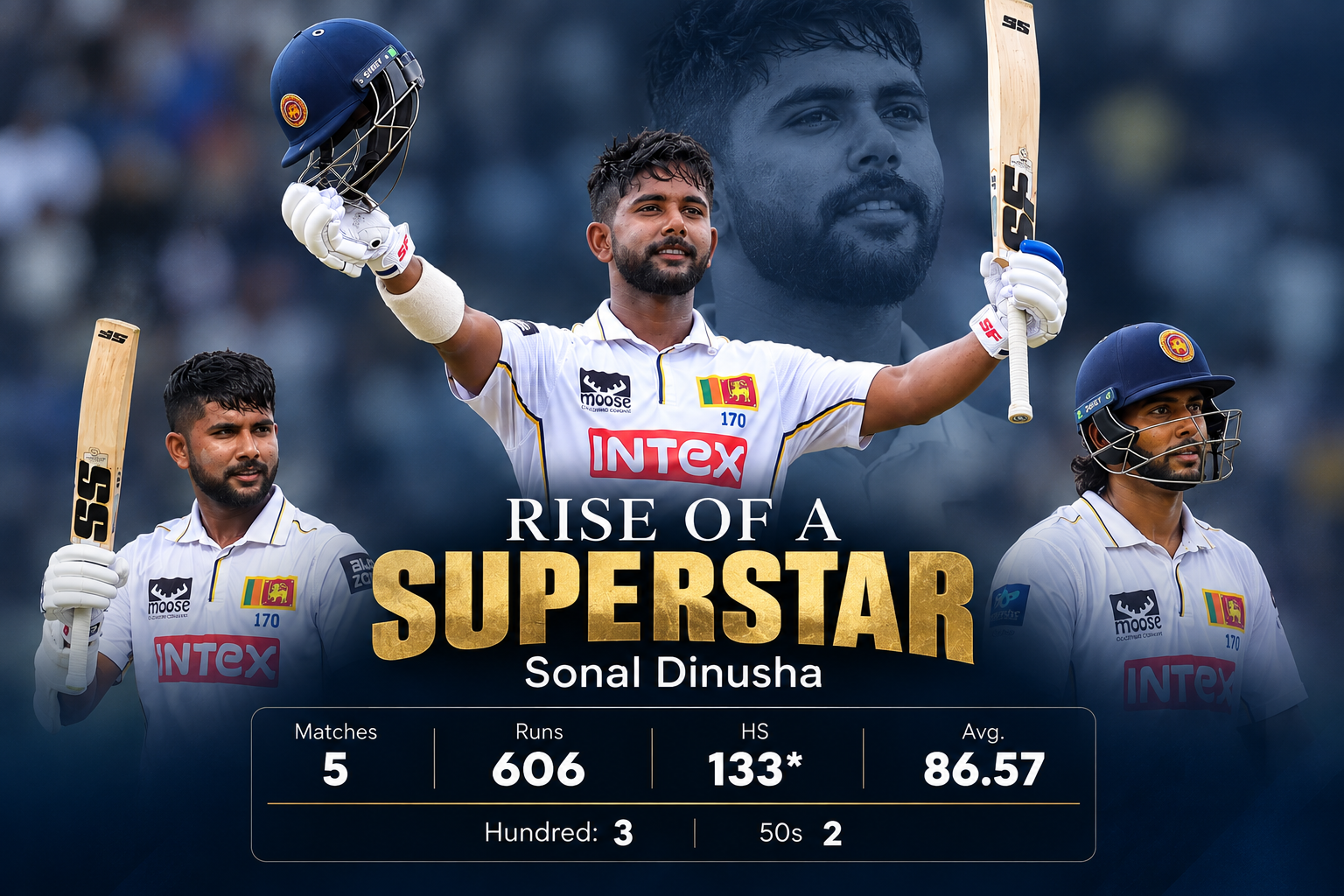
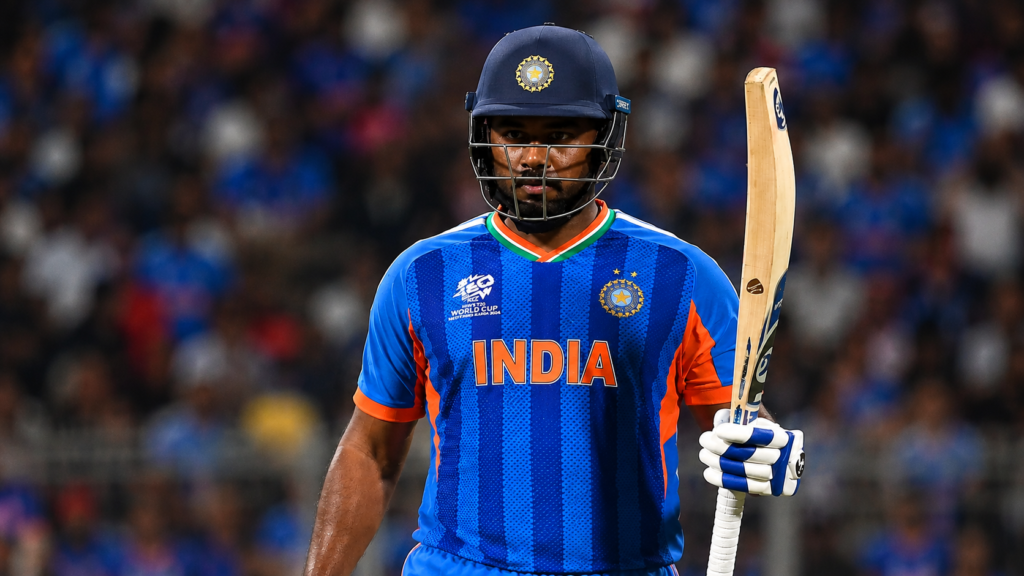
Indian batters have produced remarkable numbers in T20 Internationals across different parts of the world. Players such as Suryakumar Yadav, Virat Kohli, and Rohit Sharma have delivered memorable innings overseas, showing that Indian batting success cannot simply be attributed to home conditions.
However, nowadays, every time India struggles overseas, I find myself asking the same question.
Have our next-generation T20 batters become too dependent on IPL conditions?
I’m not saying they lack talent. Far from it. The IPL has produced fearless stroke-makers and explosive hitters. But when the ball starts swinging, the bounce becomes unpredictable, and boundaries are bigger, I don’t see the same level of consistency from many of India’s newer T20 batters.
That difference is difficult for me to ignore.
A Commercial Logic Behind the Conditions
It is also worth acknowledging the commercial dimension behind this year’s pitch policy. High totals are good for broadcasters and sponsors, and a board controlled batting friendly directive aligns closely with that commercial interest, even if the cricketing case for such pitches remains genuinely debatable. Whether this approach continues into future seasons may depend on how strongly bowlers, coaches, and fans push back, particularly if results like the Ireland series begin to repeat themselves in other tours.
The Ireland Series as a Reality Check
The contrast became impossible to ignore once India traveled to Belfast for a two match T20I series against Ireland immediately after the IPL season concluded.
Ireland’s pace bowlers found assistance that simply had not existed at most IPL venues this year, and India’s batting unit, several of whom had just come off prolific IPL campaigns, struggled to adjust. Ireland defended a total of 182 to beat India by 34 runs, marking the first time in eight meetings between the two sides in the format that Ireland had beaten India in international cricket.
- Former India spinner Ravichandran Ashwin was among the most vocal voices connecting the defeat directly to the conditions Indian batters had grown used to during the IPL.
- Ashwin argued that India’s young batters had become accustomed to extremely flat batting tracks during the IPL, and that whenever they encountered genuinely tough conditions at the international level, they would inevitably struggle to adjust.
- His comments sparked considerable debate among fans, many of whom split sharply over whether pitches were truly the root cause.
Several fans agreed with the theory, arguing that flat Indian pitches combined with smaller boundaries had inflated batting standards across the board, making the transition to overseas conditions genuinely difficult.
What This Means for the Development Pipeline
The deeper question raised by this debate concerns how young Indian batters are being prepared for international cricket. If domestic franchise cricket increasingly rewards a particular style suited to short boundaries and low bounce, there is a reasonable question about whether that style translates seamlessly to conditions in England, Australia, South Africa, or even Ireland, where the ball moves more and boundaries tend to be larger. This is not a new concern in Indian cricket, but the scale of the gap this year, given how extreme the IPL’s batting numbers became, has made the conversation harder to dismiss than in previous seasons.
The IPL Numbers Tell Only Half the Story
Every IPL season introduces another batting sensation. Strike rates soar, 200-plus totals become routine, and social media quickly labels players as India’s next superstar.
Then comes an overseas tour.
Suddenly, the same batters who looked unstoppable spend more time trying to survive than dominate. The fluency disappears, timing becomes inconsistent, and innings that looked effortless in the IPL become much harder to construct.
I don’t think that’s a coincidence.
Where Are the Overseas Match Winners?
When I look at India’s current T20 setup, I struggle to identify many younger batters who have built a sustained record of winning matches overseas.
One or two good innings are encouraging.
A successful series is even better.
But consistently producing runs in England, South Africa, Australia, New Zealand, or Ireland is a completely different benchmark.
That, for me, is where India’s next generation still has work to do.
Different Conditions Demand Different Skills
The IPL rewards attacking cricket, and rightly so.
International cricket abroad often rewards something different.
It demands:
- Better judgment outside off stump.
- Patience against swing.
- Shot selection under pressure.
- Rotating strike when boundaries dry up.
- Building innings instead of chasing quick runs.
These are qualities that develop only through repeated exposure.
My Concern Isn’t Talent. It’s Adaptability.
I am not questioning the talent of India’s young batters.
What I question is whether enough of them have shown they can carry their IPL success into overseas international cricket consistently.
Every great Indian batter eventually answered that question.
The current generation is still writing that chapter.
Final Thoughts
The debate over whether Indian batters need flat pitches to succeed does not have a simple yes or no answer. What is clear is that IPL 2026 produced an unusually batting heavy environment, and the immediate transition to seam friendly conditions in Ireland exposed a gap that deserves honest examination rather than dismissal.
The coming months, including India’s tour of England, will offer a much larger sample to test whether this was a one off result or the beginning of a longer pattern.

Lucky Raina is a complete cricket writer chasing corporate dreams by day and cricket stories by night. Once a promising Under 16 cricketer, life took him down a different pitch but the love for the game never left.